Beekeeping Articles
The value of a post mortem
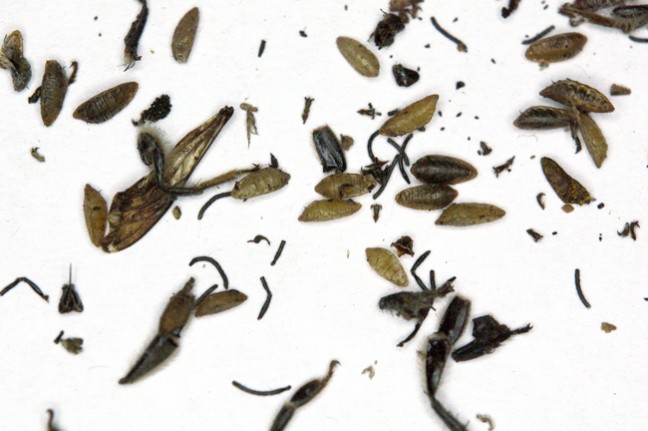
One of the worst mistakes we can make—in any endeavor—is failing to learn from our mistakes. But we can’t learn until we know what went wrong, and that is the job of the post mortem. But beekeepers frequently assume they know what killed a colony without actually doing the leg work to prove it. I’ve done it, and many others have done it as well.
Here’s an example: It was a cold and blustery winter in the mid-Atlantic when Fred’s two hives died. When he looked inside, he saw lots of honey and two small clusters that looked like they froze to death. His conclusion: the bees weren’t warm enough. Next year he will add more insulation, moisture boards, tar paper, and whatever he can think of to prevent his colonies from freezing to death. He might even add a terrarium warmer and put them in the garage.
Now if this fictitious beekeeper had actually done a thorough post mortem, he would have known that although his remaining bees ultimately froze, that’s not what doomed the colony. A bumper crop of parasitic Varroa mites had been living among the bees as evidenced by copious bundles of guanine left in the brood cells. The mites killed many bees by sapping their strength and delivering viral disease until the colony was no longer large enough to keep itself warm, so the remaining small cluster did, indeed, freeze.
But by naming the wrong cause, the cold, Fred is destined to make the same mistake again—ignoring the mites. All the insulation, heaters, moisture control, and babysitting in the world won’t help if mites are taking over the colony.
No matter when your colony dies, it is fitting to do a post mortem. Even if you don’t know what the signs mean, make a note of them, take photos, or both. Later, you can get someone to help you analyze what went wrong so you can do something different next time—the right something instead of the wrong one.
Look for honey stores, pollen stores, brood. If brood cells look abnormal, note that. If they look normal, open a few. Do the pupae look normal? Do you see mites? Look at bottom board debris: What is it made of? Is anything living in it? Are dead things in it? Look at the top bars: Is bee feces evident? What about beetles? Wax moths? Yellowjackets? Mice? Are frames moldy? Is the interior wet? Was the hive robbed? Is there a cluster of dead bees? Where is the cluster in relation to the nearest food? Look for signs of disease. Look for guanine deposits. Look for deformed wings. Record it all, no matter how insignificant it may seem.
I used the example of cold bees for a specific reason. I believe that most colonies belonging to hobby beekeepers die from two things: starvation or Varroa mites. I also believe that few colonies that are well fed and mite free actually die from cold. To a robust colony, the cold is almost a non-issue, especially if the bees are dry. But even a little moisture shouldn’t be life threatening to a strong colony.
That’s not to say there aren’t other reasons for colony demise—there are many—which is why a good set of observations can make you a better beekeeper the next time around. Don’t let first impressions fool you: always dig deeper.